While navigating the various mountain routes in the West, you are sure to encounter stunning landscapes, breathtaking views, and diverse wildlife. Some mountains may be hidden away from popular trails, while others are widely recognized. The terrain is dotted with lakes, many of which were formed thousands of years ago by volcanic activity or lava flows. Delight in the exploration of the Northwest Coast Range’s rainforests, the Cascades’ volcanic summits, or the Blues, Wallowa, Steen’s, Siskiyou, and Klamath Mountains. The mountains of the Northwest present a wealth of experiences.
If you are interested in purchasing any of the fine art images on this gallery page, please contact me with the print style, size and image name.
Rhododendren Spotlight
Photo of Rhododendron blooms spotlighted by the sun in a redwood forest, California
Crater Lake Wizard Island
Photo of Wizard Island in Crater Lake, Crater Lake National Park, Oregon
Redwoods-and-Rhododendrens
Redwoods and rhododendrons on a foggy morning, California's Del Norte Redwoods State Park
Waldo Lake Sunrise
Photo of Belt of Venus Before Sunrise reflected in Waldo Lake, Oregon
Beaver Pond and Sawtooth Sunrise
Beaver Pond at Sunrise, in the Sawtooth Wilderness, Idaho. I hiked to this spot and waited over 1 hour for this photograph
After Sunset Sparks Lake
After sunset, the sky's colors are reflected in the lake in this long exposure image. Sparks Lake, Deschutes National Forest, Oregon
Spring in the Redwoods
Foggy spring morning with flowering rhododendrons and trail through the redwoods
Stout Grove Sun Rays
Picture of sun rays Stout Grove, in Jedediah State Park.
Mt Washington Sunrise
Sunrise colors reflect on the snow at Mt Washington, Oregon's Cascade Mountains
Sawtooth Mountains and Fence
Sawtooth Mountains with a Buck & Rail Fence, near Stanley, Idaho
Fourth of July Lake
Fourth of July Lake, White Cloud Mountains, Idaho. This lake sits at almost 9400 feet, after sunset it was 1.5 miles back to the trailhead.
crater-lake-sunrise
The way the sky lite up for this photo, had me dreaming of orange sherbet and Creamsicles.
Mt Washington B&W
Mount Washington, Oregon Cascade Mountains, B & W taken on a cold winter morning
Rhododendron Tree
Wild Rhododendron in the Redwoods
Framed Reflection
Mt Rainier is framed by trees in Reflection Lake, Mt Rainier National Park
Kiss of Morning Light
The sunrise kissing a snow covered mountain with light, near Stevens Pass Washington
Scott Lake Reflection
I used a 10 stop ND filter to get a 30 second long exposure. The long exposure flattened out the ripples and makes a clearer reflection. It even made the two kayaks across the lake disappear, since they didn't stay in one place.
Edith Creek Autuum
Edith Creek cascades down the flank of Mt Rainier though huckleberries and boulders.
Waldo Lake Sunrise
Image of Waldo Lake in August. Forest fires created an orange glow to the sky during sunrise
Winter Sunrise
Winter Sunrise, captured near Crater Lake, Oregon
Mt Hood Sunrise and Tulips
Sunrise Light Beam behind Mt Hood, and the tulip fields
Sisters Morning Light
Sunrise on the snow covered peaks of North and Middle Sisters, Oregon Cascade Mountains
Eastern Sierra Peak
Telephoto lens used to capture a mountain top in the Eastern Sierra, California
Beaver Pond Blue Hour
Beaver Pond Blue Hour, Sawtooth Wilderness, Idaho. The hike to this spot is over 2 miles, I left camp while the stars were still bright in the sky.
Mt Rainier Reflection
A calm day and calming moment at Reflection Lake, Mt Rainier National Park
Sunbeams in the Redwood Forest
Sunbeams cut through the fog on a morning hike in the Redwoods
Trillium Lake and Mt Hood
Long exposure at sunset with pink clouds reflecting in Trillium Lake and above Mt Hood, Oregon
Crater Lake Pano
We used snowshoes to get from the parking lot, at the Crater Lake Lodge, to Discovery Point. It is over a mile, and we used headlamps to navigate our way in the dark. This panoramic photograph is 4 separate images stitched together to make one image. This image can be printed over 60 inches wide.
Mt Jefferson Sunset
We hiked into Jefferson Park in the Mt. Jefferson, Oregon wilderness for an overnight camping trip. I walked around Scout Lake to the north side to capture this image of Mt Jefferson as the sun was setting. A long exposure time smoothed out the ripples in the lake resulting in a wonderful reflection.
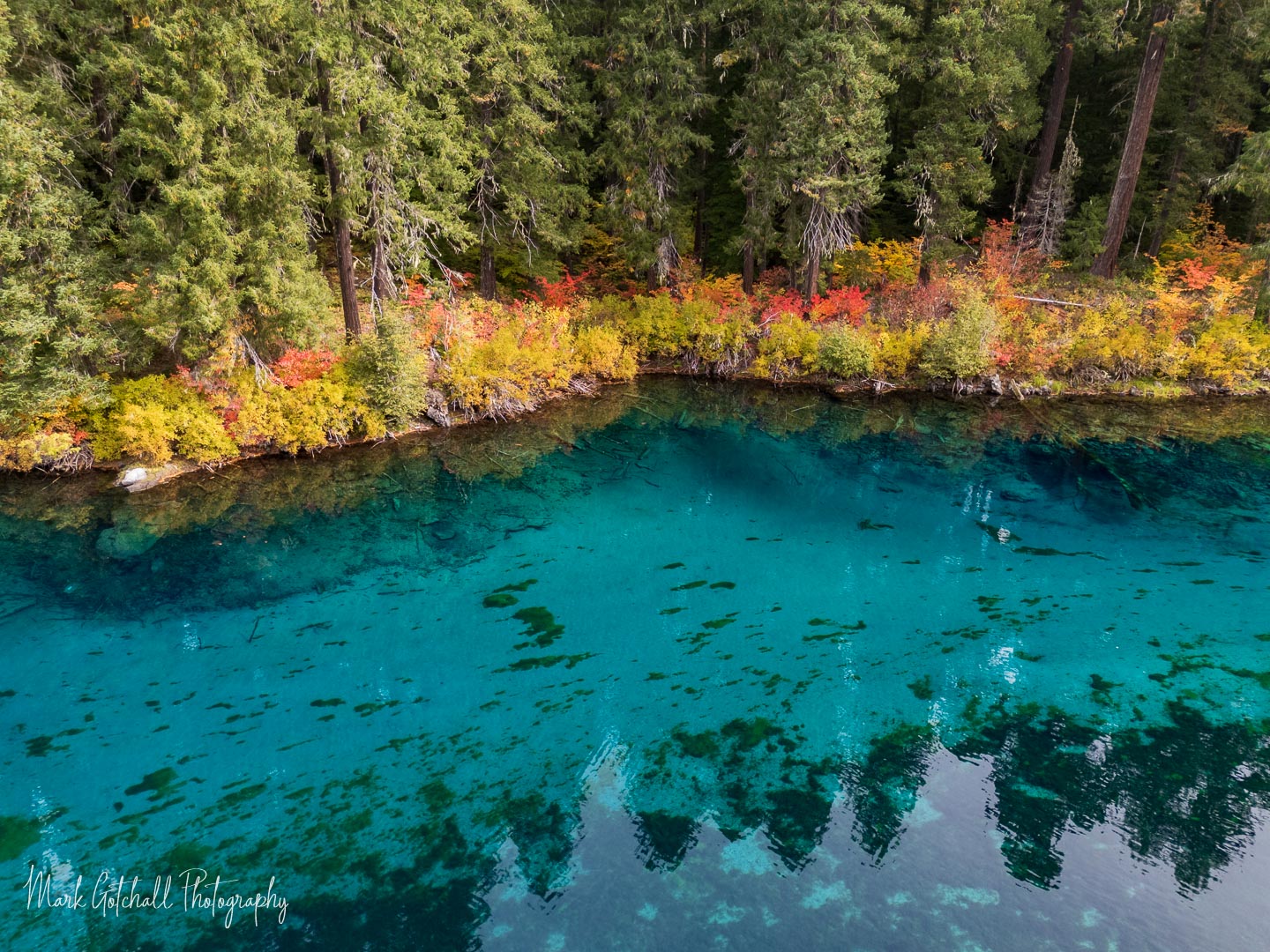
Clear Lake Autumn Aerial
Clear Lake Autumn Aerial, in Oregon's Cascade Mountains
Broken Top
This photograph was taken at Sparks lake, Oregon. It was mid-afternoon and people were out in their kayaks enjoying the view of Broken Top Mountain.
Stanley Lake Sunset
Sunset at Stanley Lake, Sawtooth National Recreation Area, Idaho. We were camped about 1 mile away, so I got to hike back to camp in the dark
Stanley Lake Sunrise, Idaho
Sunrise at Stanley Lake, Sawtooth NRA, Idaho
mt-adams-autumn
Autumn colors near Mt Adams
View to the Sea
View toward the Pacific, at sunset, from the Oregon Coast Range
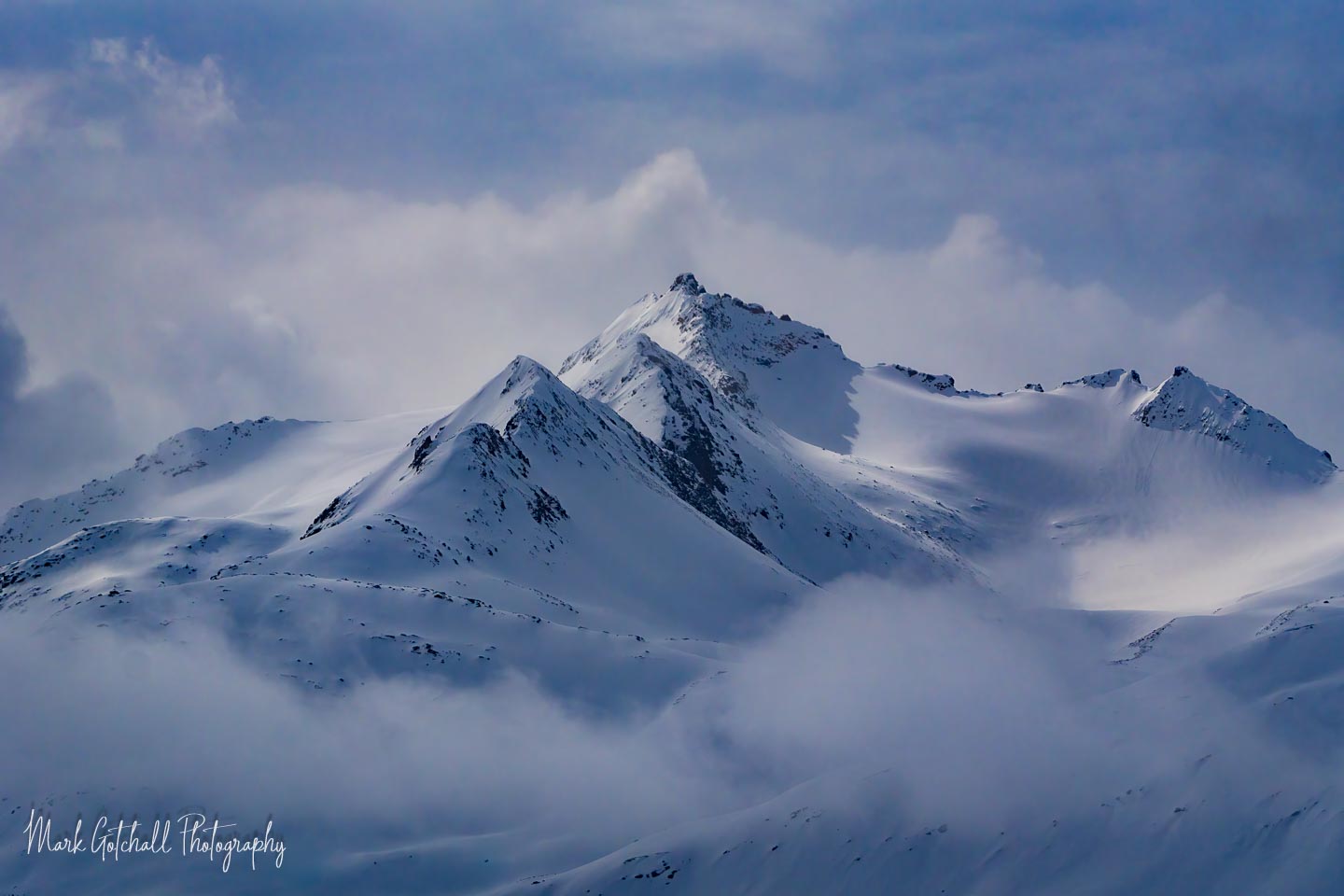
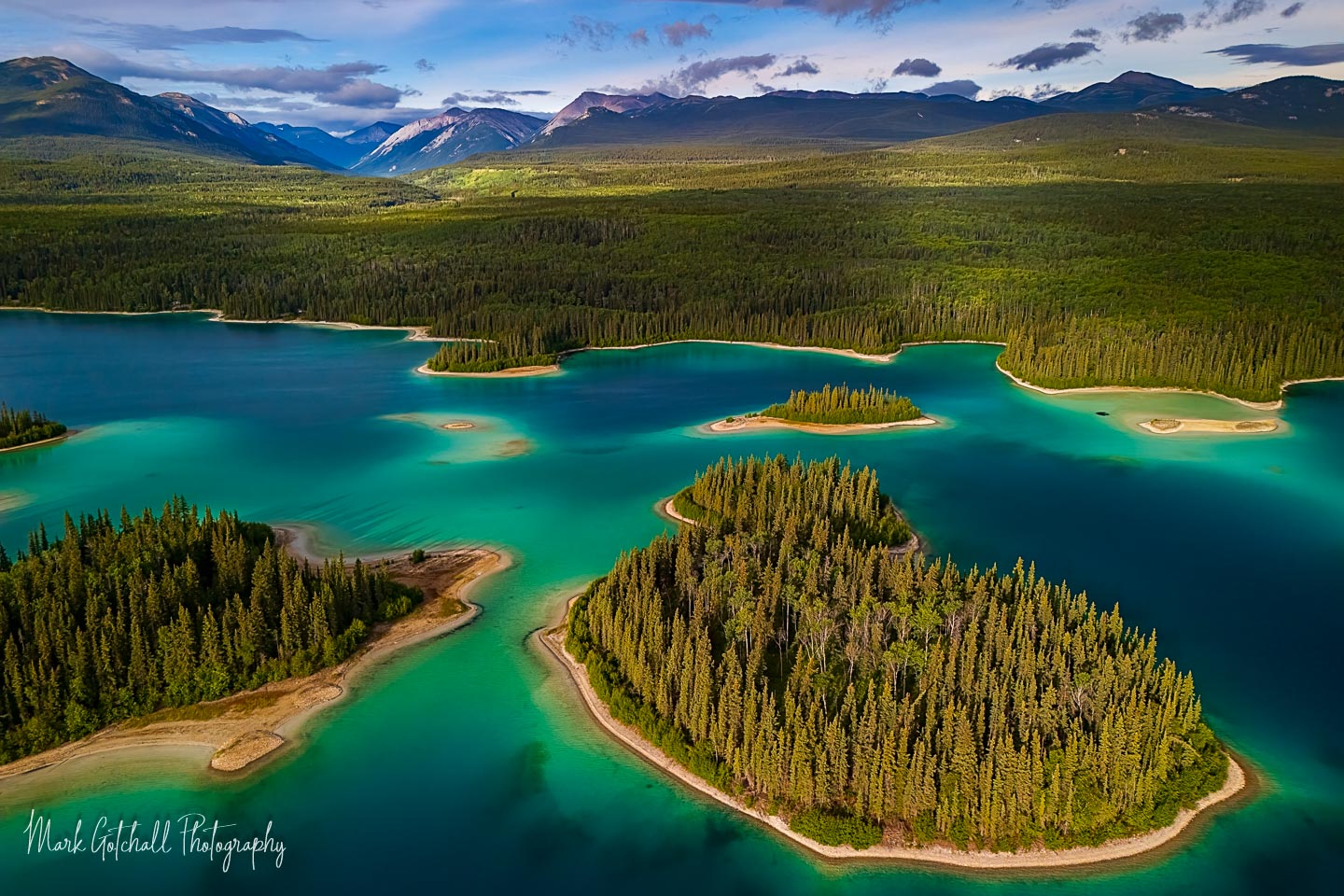
Mountains, Glaciers and Lakes of Alaska and Canada.
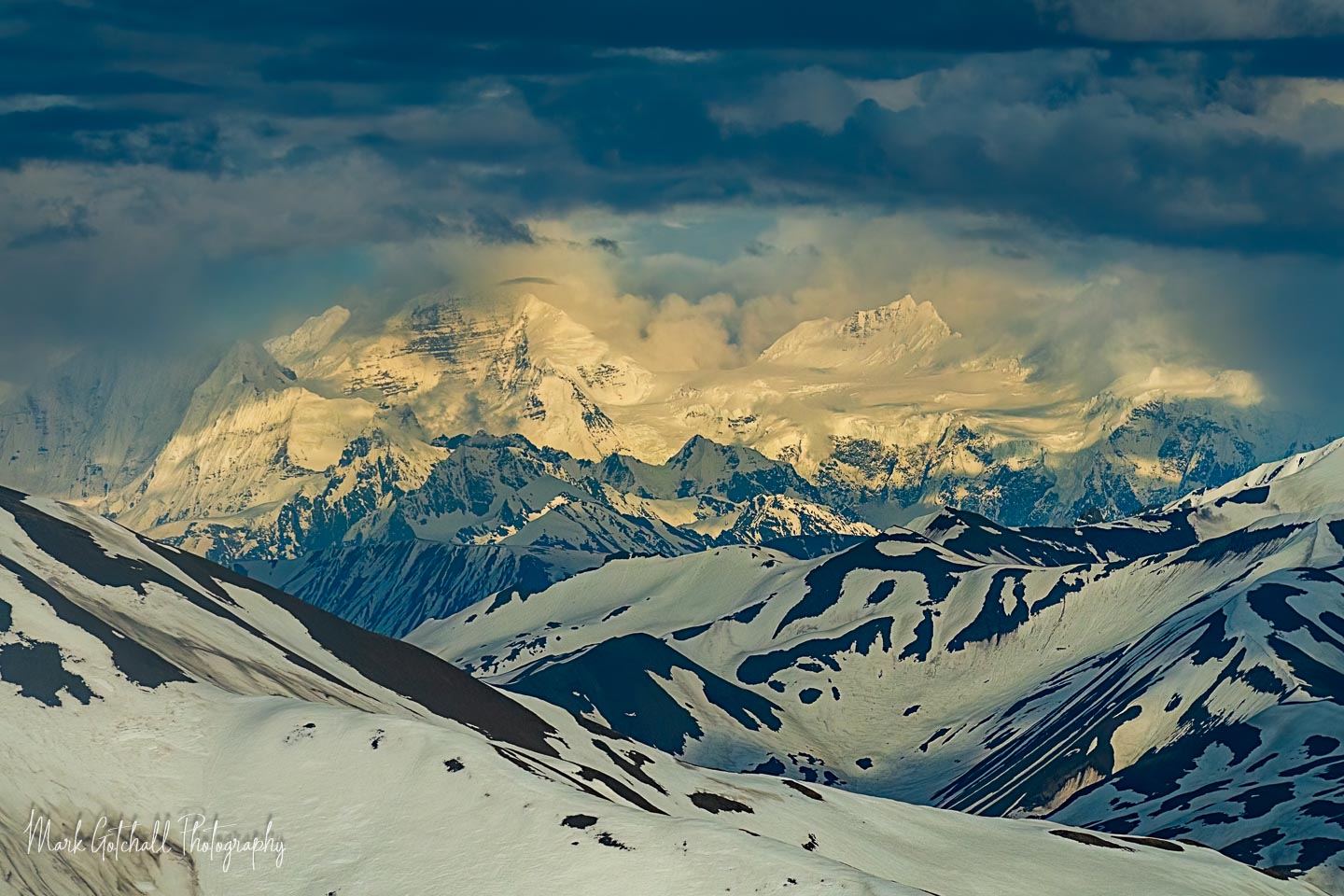
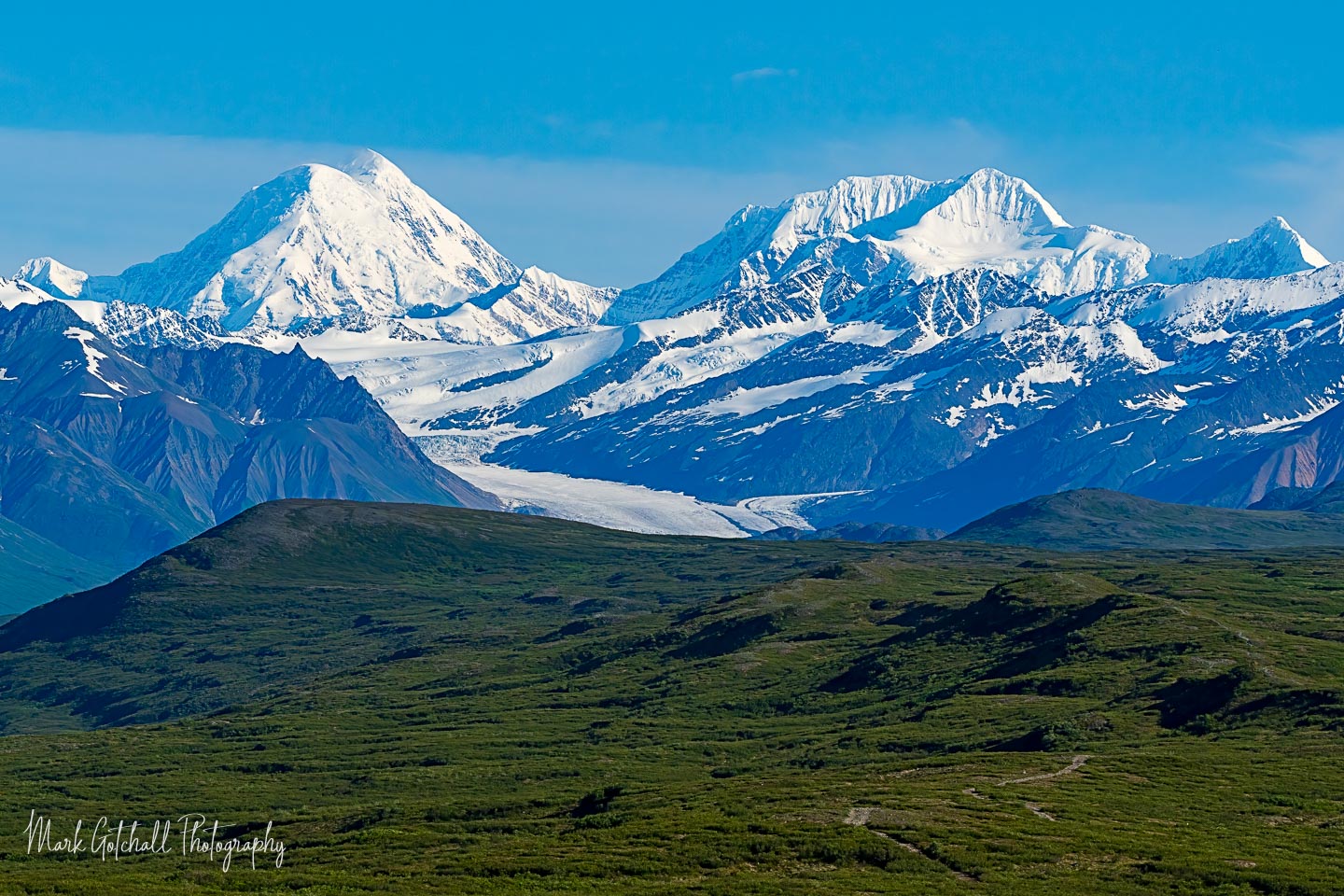
Alaska is home to several mountain ranges, including the Chugach, Alaska Range, Coast Range, Boundary Range, Talkeetna, Kenai, Aleutian, Kuskokwim, Brooks Range, and Wrangell-St. Elias, among others. British Columbia shares the Coast Range, St. Elias, and Boundary Range with Alaska, along with its own prominent ranges such as the Cassiar, Rocky Mountains, and Selkirk, as well as the Cariboo range. The Yukon Territory has the St. Elias range in common with Alaska, in addition to the Richardson, Ogilvie, Pelly, and Dawson ranges.
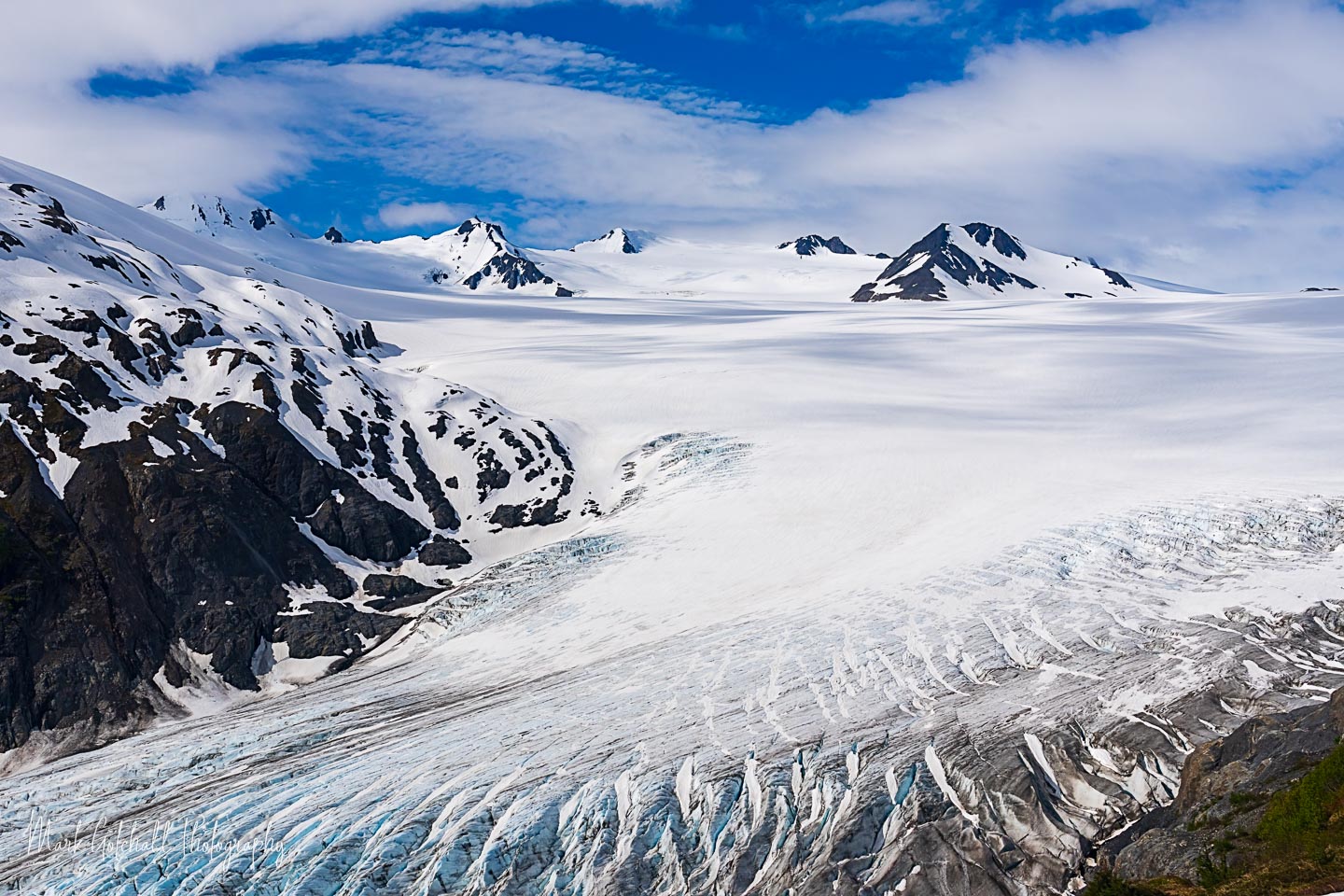
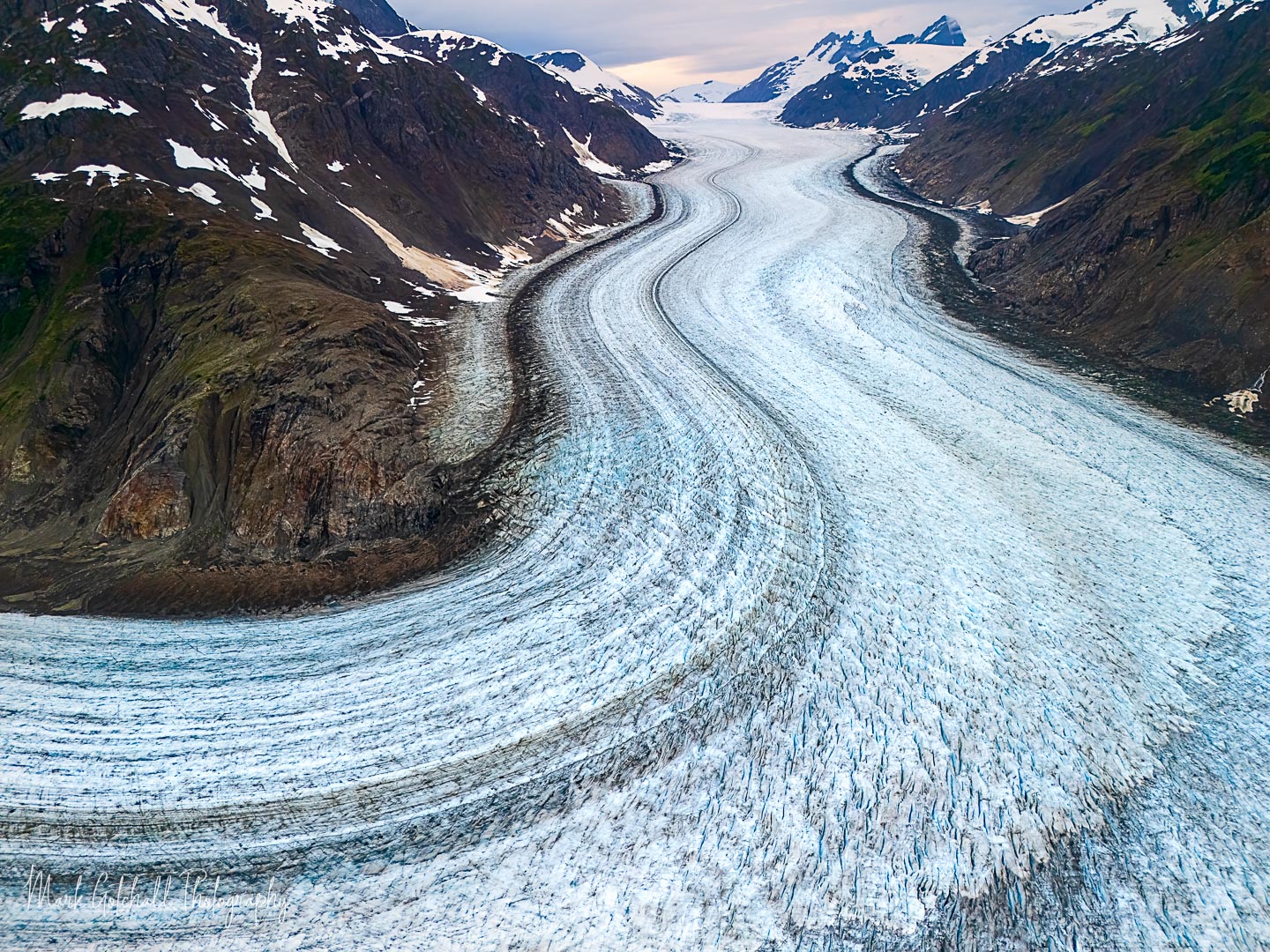
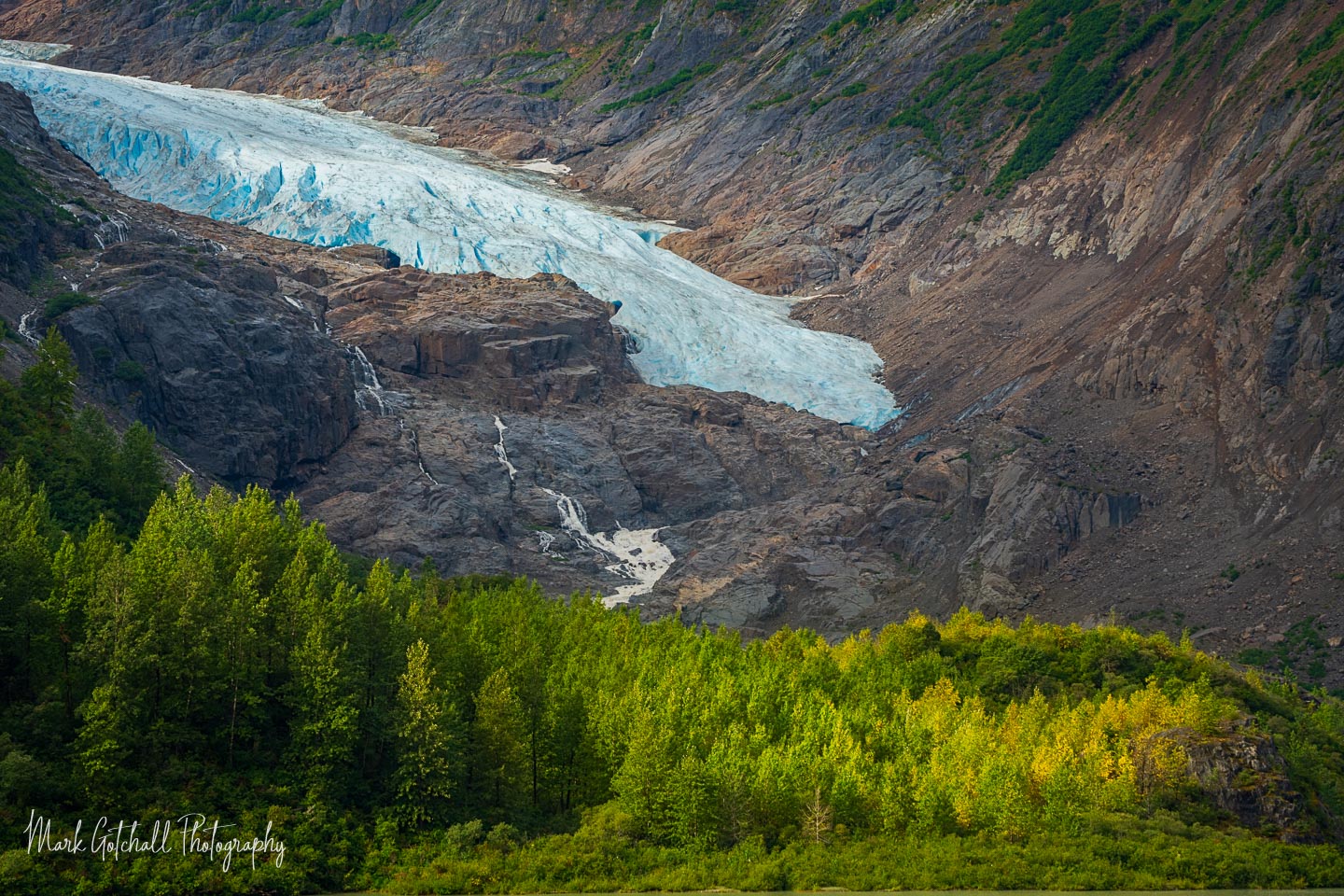
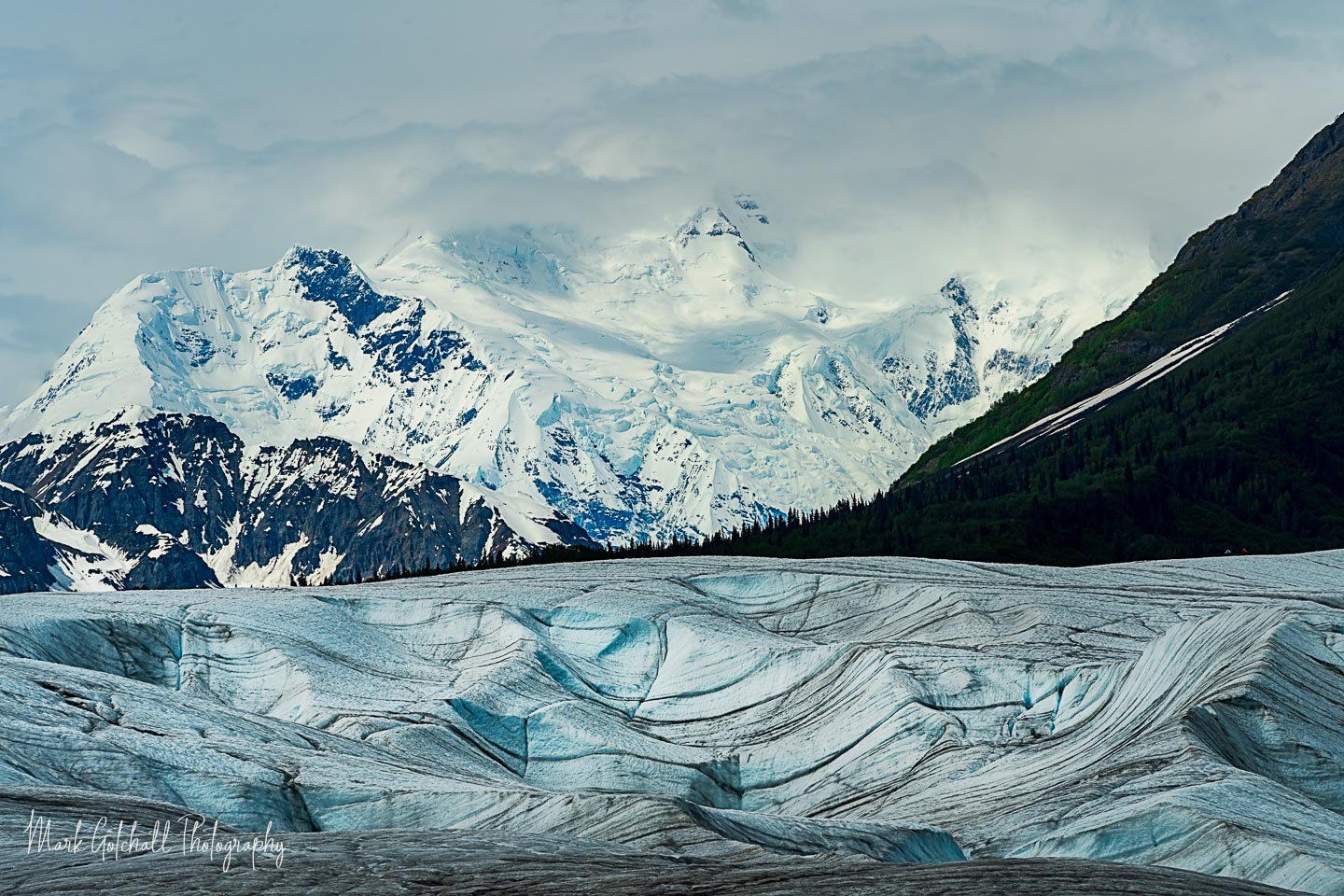
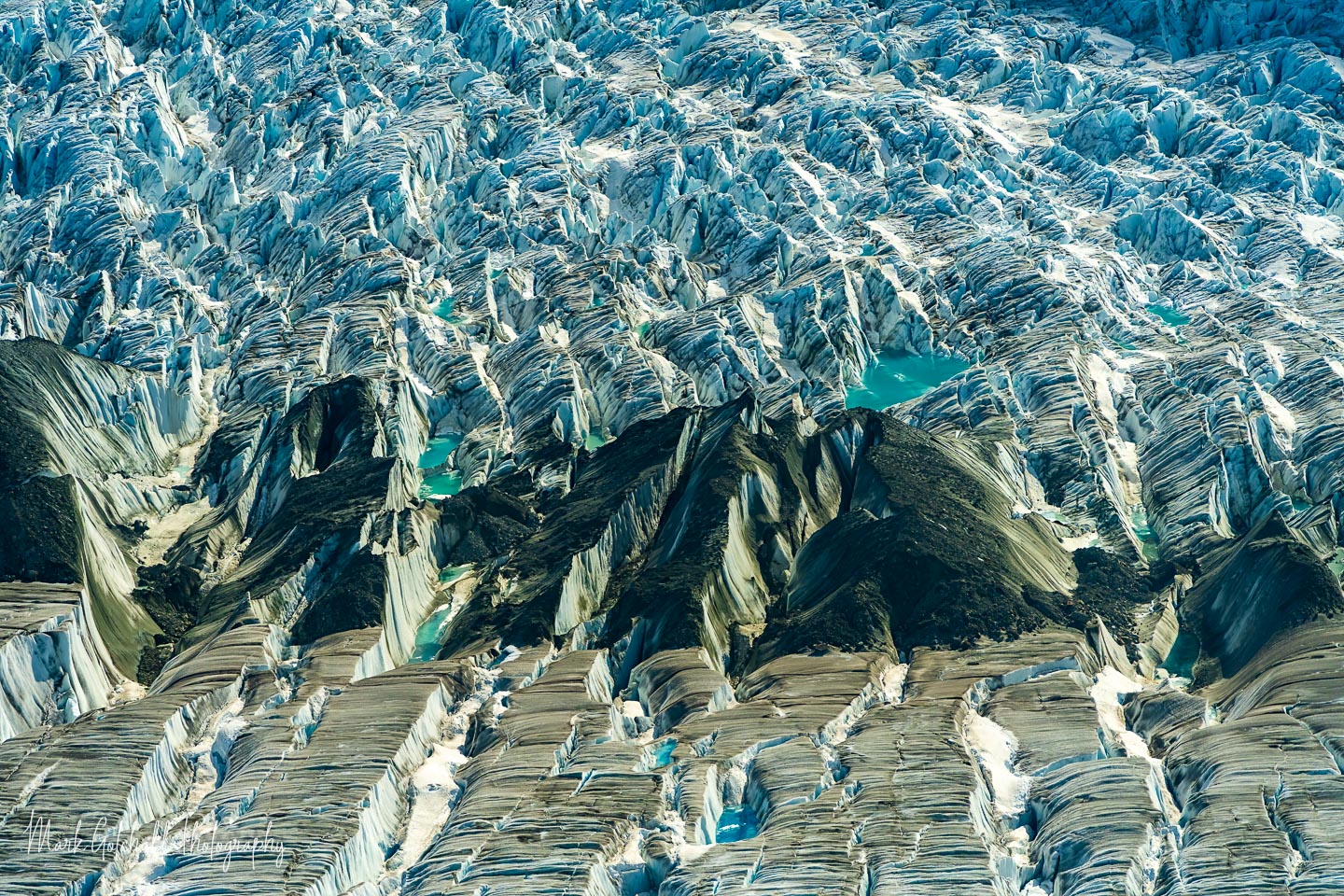
Alaska has more glaciers than any other U.S. state and is one of the most heavily glaciated areas in the world outside the polar regions. Statewide Alaska has about 27,000 glaciers. The combination of cold climates, heavy snowfall, and mountainous terrain — especially in southern and southeastern Alaska — supports the formation and persistence of enormous glaciers.
The Kluane / Wrangell‑St. Elias / Glacier Bay / Tatshenshini‑Alsek UNESCO World Heritage Site spans parts of Yukon (Canada) and Alaska (U.S.) and is officially described as the largest non‑polar icefield on Earth. This icefield includes massive connected ice masses such as the Bagley Icefield in Wrangell‑St. Elias National Park and the Juneau Icefield in Glacier Bay, both of which are among the largest in North America.